Agriculture
Search through all of our courses to find what you're looking for. Our aim is to give you an outstanding time at Askham Bryan.
Study Agriculture at Askham Bryan College
Agriculture at Askham Bryan College offers a hands-on, career-focused route into one of the UK’s most essential and fast-moving industries. Whether you’re interested in livestock, crop production, machinery, agri-tech or farm management, our agriculture college courses combine practical experience with a solid understanding of modern, sustainable farming. Students can progress into employment, agriculture-based apprenticeships, or higher study.
Students learn on real working farms, develop in-demand industry skills, and gain the confidence needed to progress into the industry.
We welcome students from all backgrounds, creating an inclusive and supportive environment where you can build your knowledge, strengthen your practical abilities and explore a wide range of opportunities within the agricultural sector.
You don’t have to be from a farming background to study agriculture at Askham Bryan College, in fact, students come from a variety of backgrounds and locations. We encourage students to seek some form of work experience in the industry prior to starting their farming course as once you begin studies with us, you will hit the ground running learning practical skills alongside elements of the broader industry such as food production. You will explore agri-tech developments, environmental impacts in farming and improvements to farming techniques.
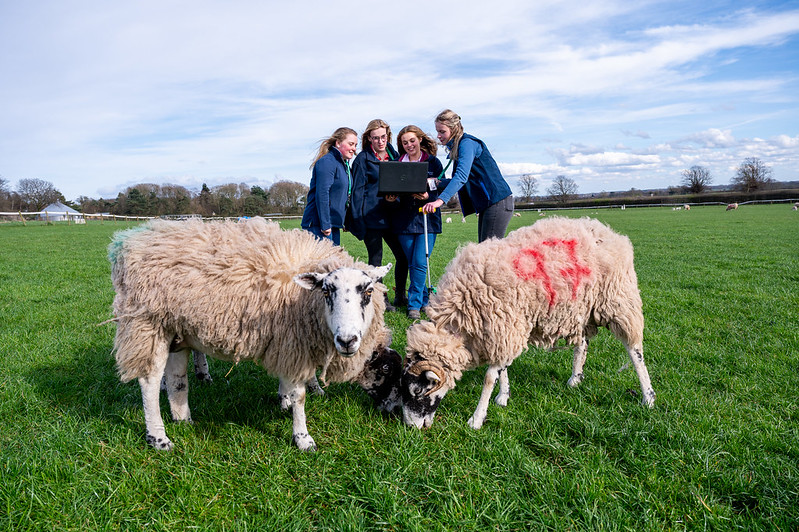
We have invested heavily in our farm resources and offer students the opportunity to put theory into practice to gain valuable experience in livestock; dairy, beef and sheep enterprises. In addition to our arable and grassland operations and management, our agri-tech workshop facilities allow students to develop their practical skills in a well-equipped workshop environment.
FACILITIES
Westfield Farm – Practical Livestock Experience
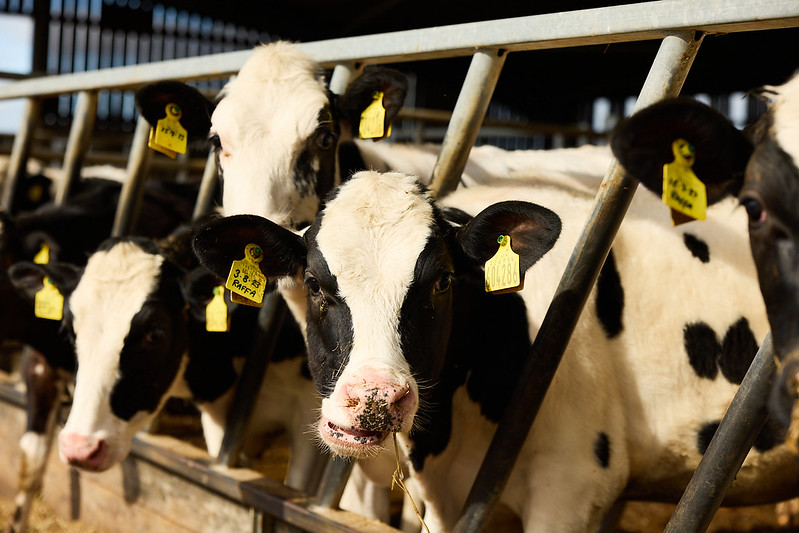
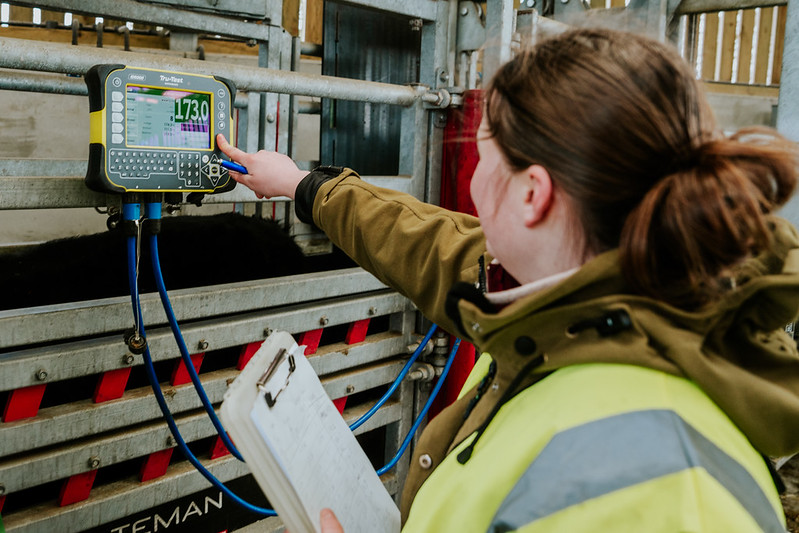
Based at our Askham Bryan Campus, Westfield Farm provides students with hands-on experience working with dairy, beef and sheep enterprises. With high-welfare livestock units and modern handling systems, students develop the essential practical skills needed for real agricultural environments.
Home Farm – Arable and Grassland Management
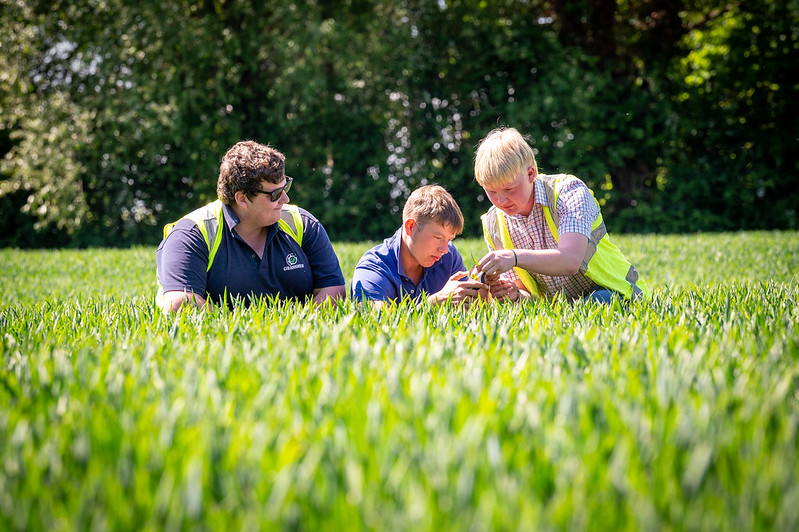
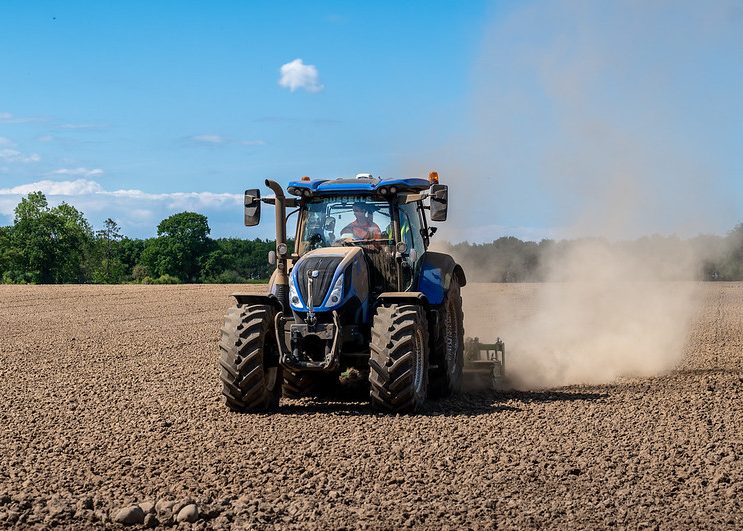
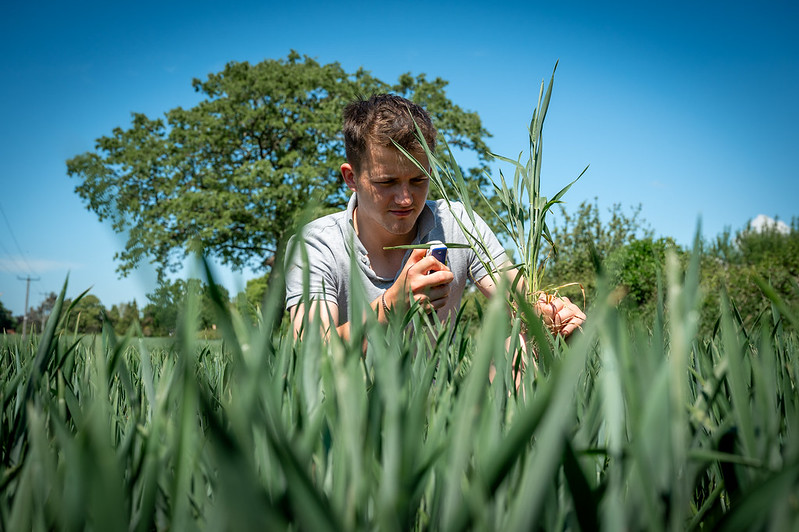
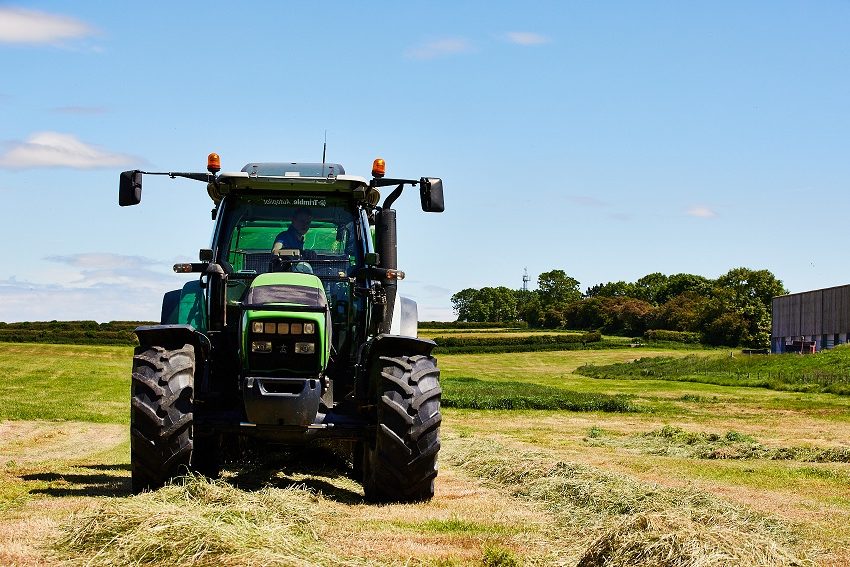
Home Farm, located in nearby Askham Richard, offers extensive arable and grassland operations. Students learn how to manage crops, machinery and land through seasonal tasks, fieldwork and supervised practical sessions.
Precision Livestock and Institute of Technology
Askham Bryan College is home to advanced agricultural resources, including a robotic milking parlour, digital monitoring systems and precision livestock technology. These facilities allow students to explore cutting-edge developments in data-driven farming and understand how technology is shaping the future of the industry.
Agri-tech and Engineering Spaces
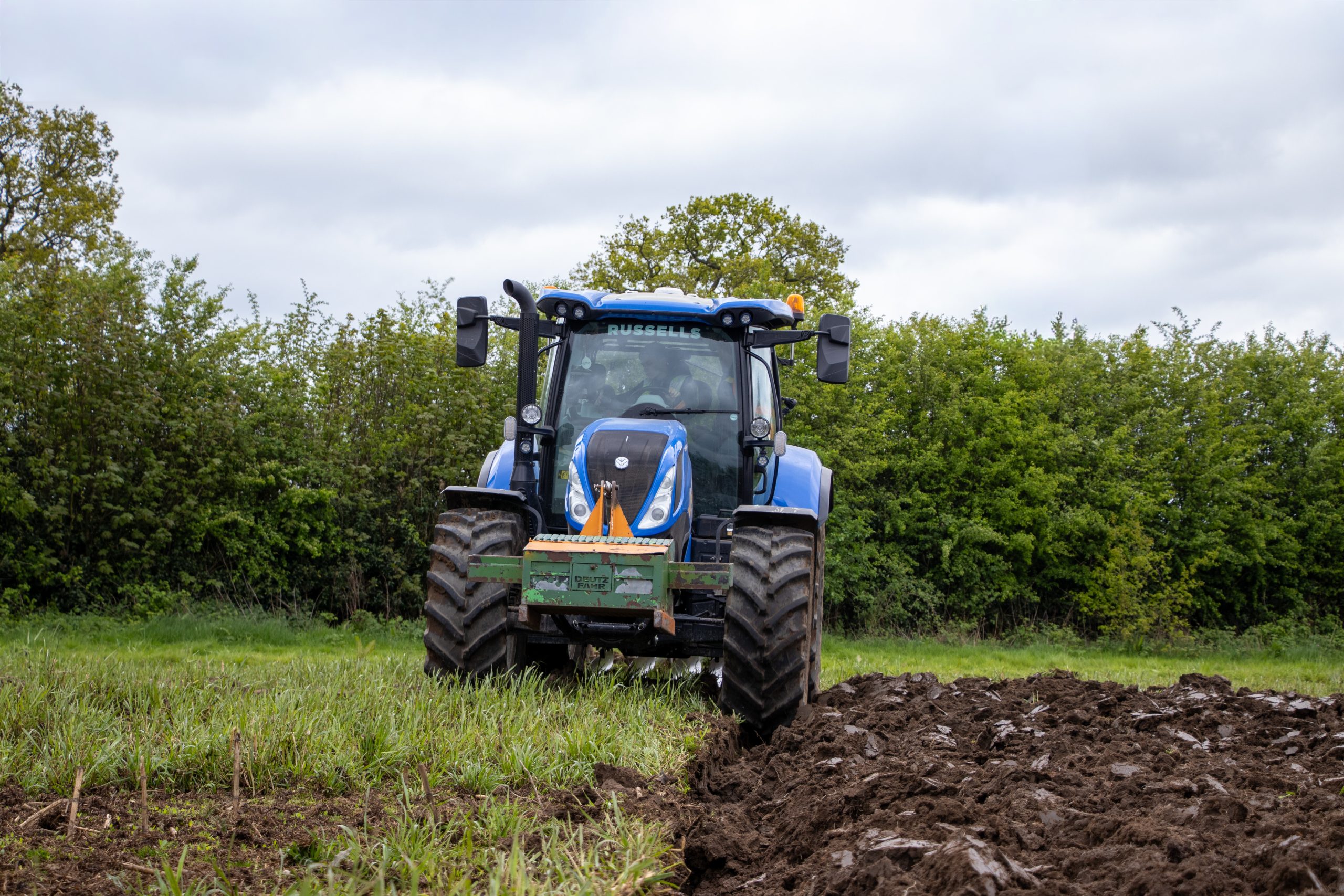
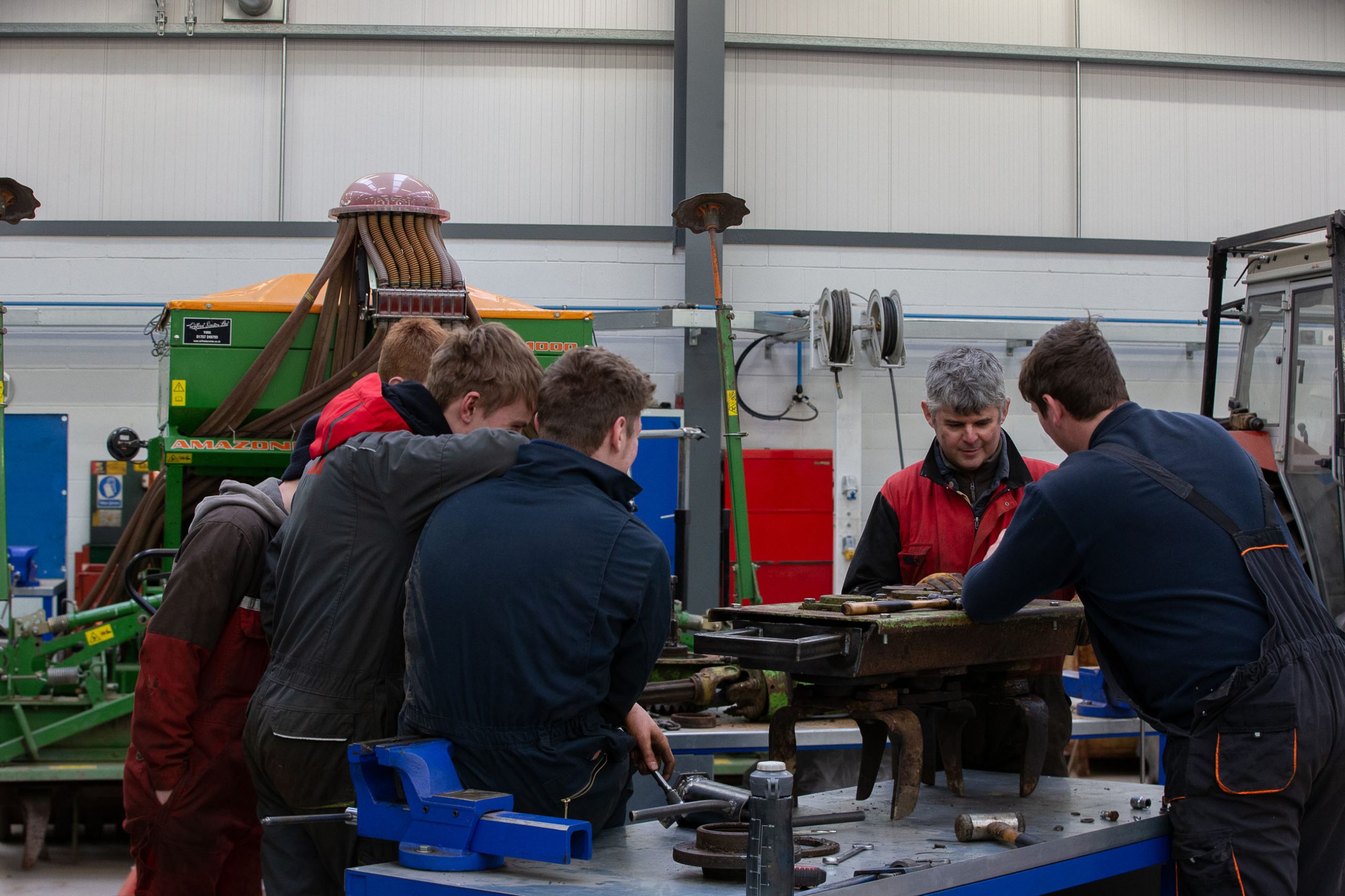
Our well-equipped engineering and machinery workshops give students the opportunity to develop skills in tractor operation, machinery maintenance and safe equipment use. The 2.4m Agriculture and Engineering Hub enhances practical learning and supports students working towards machinery-focused careers.
Various options are available. Please see our Student Finance section for more details.
Our Agriculture department works with a range of industry partners and allied businesses who provide work environments and experience for our students.
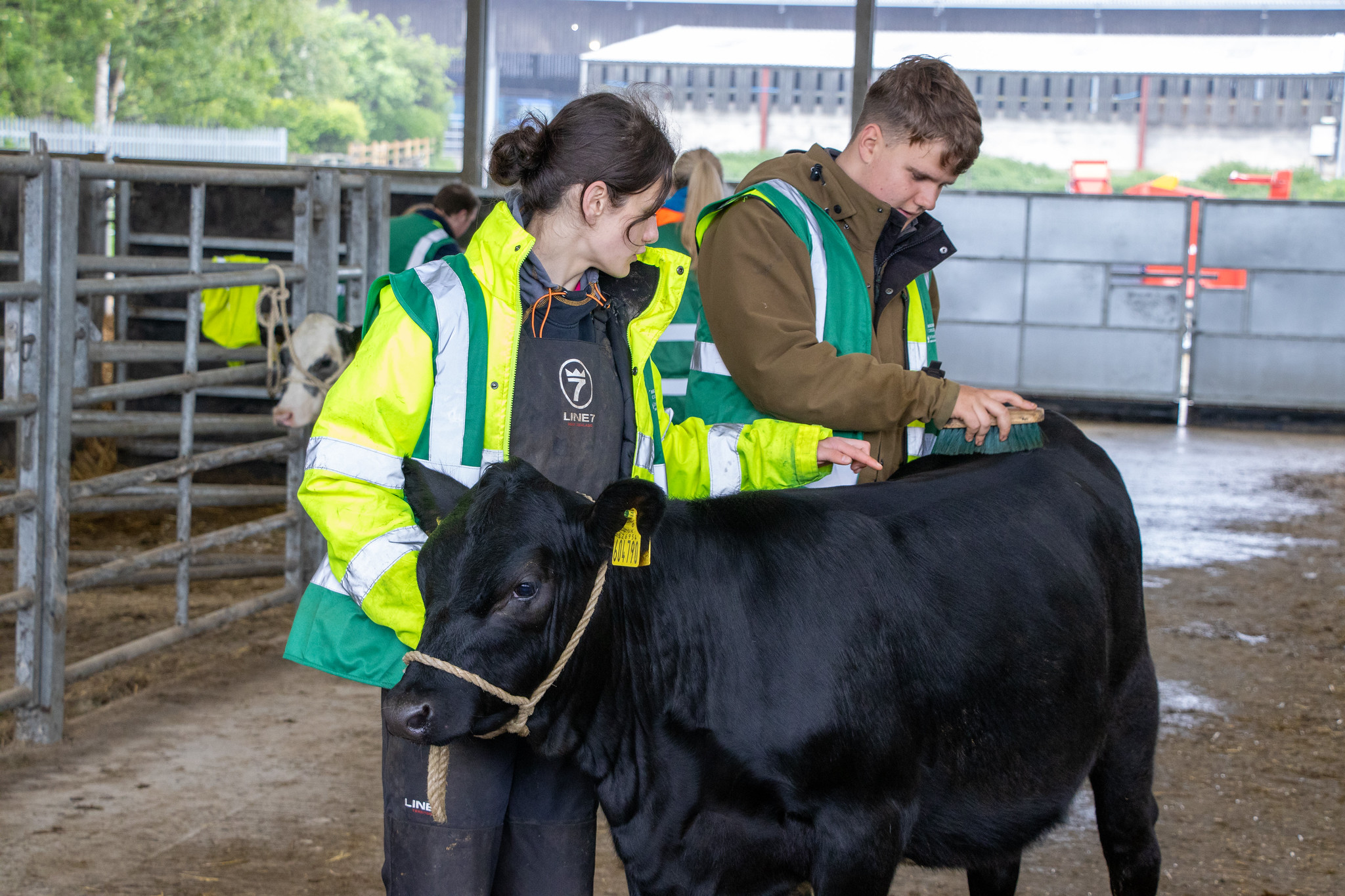
Askham Bryan College has strong links with a range of organisations and businesses, both in agriculture and with companies who supply products and services to the agricultural industry. As part of their studies, our Level 3 students take part in our annual Stockmanship Competition, showing either a beef, dairy or sheep animal. This competition is judged by successful farmers who are widely respected within their field. Stockmanship allows the students to put skills learned in the classroom into practice in a real-life situation.
Students studying agriculture farming courses will need PPE for practical sessions on our farm:
- Steel toe cap boots and Steel toe cap wellies
- Overalls
- White lab coat (for science practical session and stockmanship)
- Waterproof coat (highly recommended! we go out in all weathers)
- Waterproof over trousers (optional but useful for milking and wet days)
The Farmers Weekly website and magazine is a great place to start your course pre-reading. If you are not from a farming background, or even if you are, it will give you a insight into all the latest news and views in the industry. The Farmers Weekly do a great selection of podcasts on a range of useful course topics, which are available online.
It is highly advised that if you have no prior work experience in the agricultural industry, that you do make contact with a farm to gain some work experience. Even if it’s only a day every other weekend or a 2-week block over summer, it will stand you in the best stead for starting the course, and you will know exactly what you are letting yourself in for!
– Degree level students (Student Finance England)
– Under 19s in full-time education (FREE)
Work placements are an essential part of all Agriculture and Land & Wildlife programmes. Students complete a minimum of 150 hours each year, usually through one day per week on placement or through block weeks during key seasons such as lambing or harvest. This experience supports progression into farming roles, further study, or agriculture apprenticeships.
You can complete your placement on your home farm or with a local employer, and our Employability Team can help you find opportunities if needed. Typical placement settings include farms, livestock markets, butchers, machinery dealerships, farm shops and countryside enterprises.
Students who complete additional hours may work towards the Extended Work Placement Certificate (350 hours), although this option does not apply to students working solely on family farms.
The college offers a range of assistance and guidance through our Assisted Services Team.
Courses
-
Course Type
Further Education, -
Length
1 Year, -
Location
York,

-
Course Type
Further Education, -
Length
1 Year, -
Location
York,

-
Course Type
Further Education, -
Length
1 Year, -
Location
York,
-
Course Type
Further Education, -
Length
2 Years, -
Location
York,
-
Course Type
Undergraduate, -
Length
1 Year, -
Location
York,
-
Course Type
Undergraduate, -
Length
3 Years, -
Location
York,

-
Course Type
Undergraduate, -
Length
2 Years, -
Location
York,
-
Course Type
Further Education, -
Length
1 Year, -
Location
York,
-
Course Type
Further Education, -
Length
1 Year, -
Location
York,
-
Course Type
Further Education, -
Length
1 Year, -
Location
York,

-
Course Type
Further Education, Apprenticeship, -
Length
2 Years, -
Location
York,
-
Course Type
Apprenticeship, Further Education, -
Length
18 months, -
Location
York,
-
Course Type
Apprenticeship, Further Education, -
Length
2 Years, -
Location
York,

-
Course Type
Professional/Industry, -
Length
1 day, -
Location
York,

-
Course Type
Professional/Industry, -
Length
1 day, -
Location
York,
-
Course Type
Professional/Industry, -
Length
3 days, -
Location
York,
-
Course Type
Professional/Industry, -
Length
1 day, -
Location
York,
-
Course Type
Professional/Industry, -
Length
3 days, -
Location
York,
-
Course Type
Professional/Industry, -
Length
1 day, -
Location
York,
-
Course Type
Further Education, -
Length
1 Year, -
Location
York,
-
Course Type
Further Education, -
Length
1 Year, -
Location
York,
-
Course Type
Further Education, -
Length
1 Year, -
Location
York,
-
Course Type
Apprenticeship, Further Education, -
Length
18 months, -
Location
York,
-
Course Type
Further Education, -
Length
1 Year, -
Location
York,
-
Course Type
Further Education, -
Length
2 Years, -
Location
York,
-
Course Type
Apprenticeship, Further Education, -
Length
2 Years, -
Location
York,
-
Course Type
Undergraduate, -
Length
1 Year, -
Location
York,
-
Course Type
Further Education, Apprenticeship, -
Length
2 Years, -
Location
York,
-
Course Type
Undergraduate, -
Length
3 Years, -
Location
York,
-
Course Type
Undergraduate, -
Length
2 Years, -
Location
York,

-
Course Type
Undergraduate, -
Length
3 Years, -
Location
York,
-
Course Type
Undergraduate, -
Length
1 Year, -
Location
York,
Career Pathways and Progression
Studying agriculture opens the door to a wide range of rewarding and practical careers within the rural economy. Our courses are designed to build the technical skills, confidence and industry experience needed to progress into employment, agriculture apprenticeships or higher education.
Possible career paths include:
- Stockperson or herdsperson
- Arable operator or crop production technician
- Agricultural engineer assistant
- Livestock technician
- Farm or estate manager (career progression)
- Agricultural sales or advisory roles
- Machinery operator or dealership technician
- Contracting and field services
Our facilities are better than ever
- Lecture rooms
- Dedicated animal science laboratories
- Institute of Technology - Precision Livestock
- Westerfield Farm
- Digital farm facilities
- State-of-the-art robotic milking parlour
- Traditional milking parlour
- 2.4m Agriculture and Engineering hub
- Beef herd
- 200+ Dairy herd
- 200+ sheep
- Arable land and production


Watch our introduction to our farms...
Student Stories
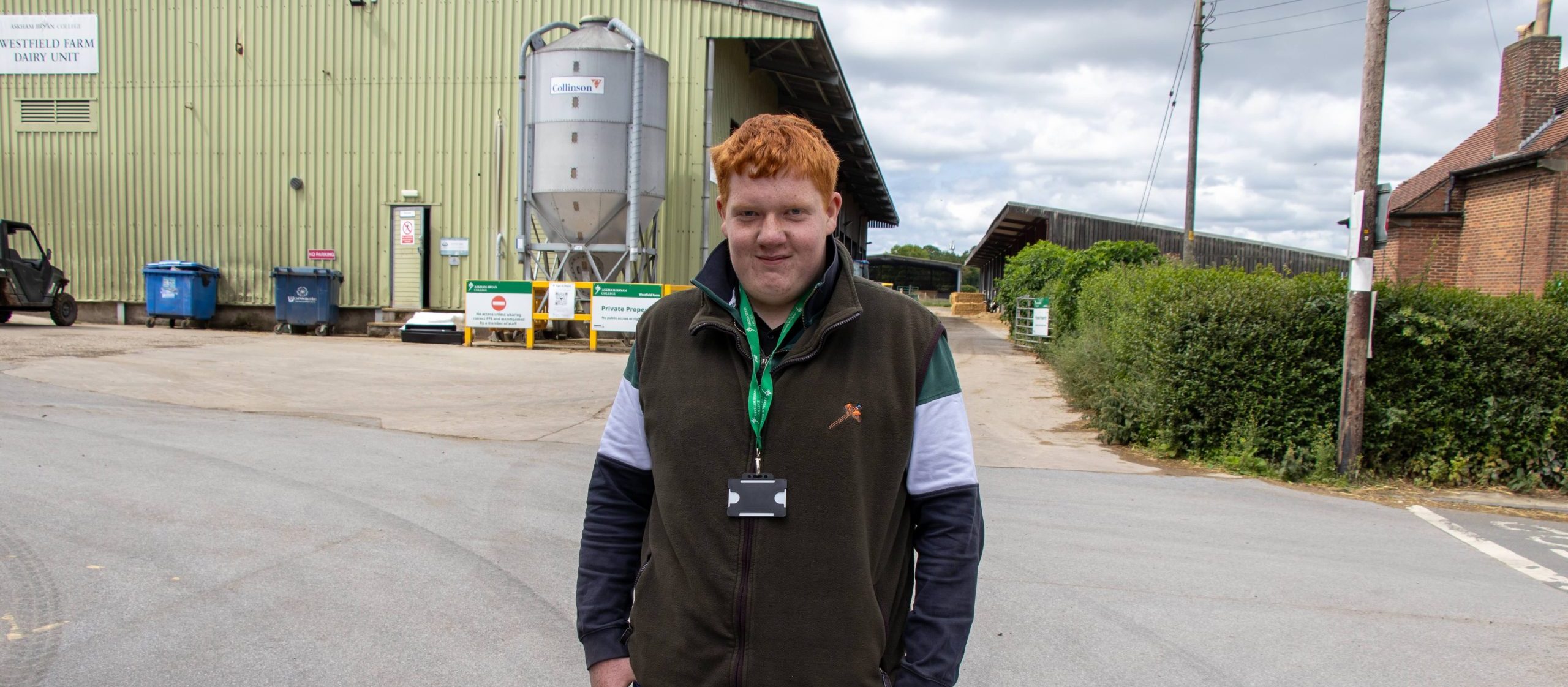
Harley, Level 2 Agriculture
“I really enjoy learning how to drive tractors and how to put fences up. The team at the college are amazing and they are helping me with my future goals.”

Eleanor T Level: Agriculture (Livestock)
“I chose to do this course as it incorporates both practical and theory elements, and it also means I get to go on work placement. I get to see different livestock compared to just at the college as I enjoy working with a variety of animals.”
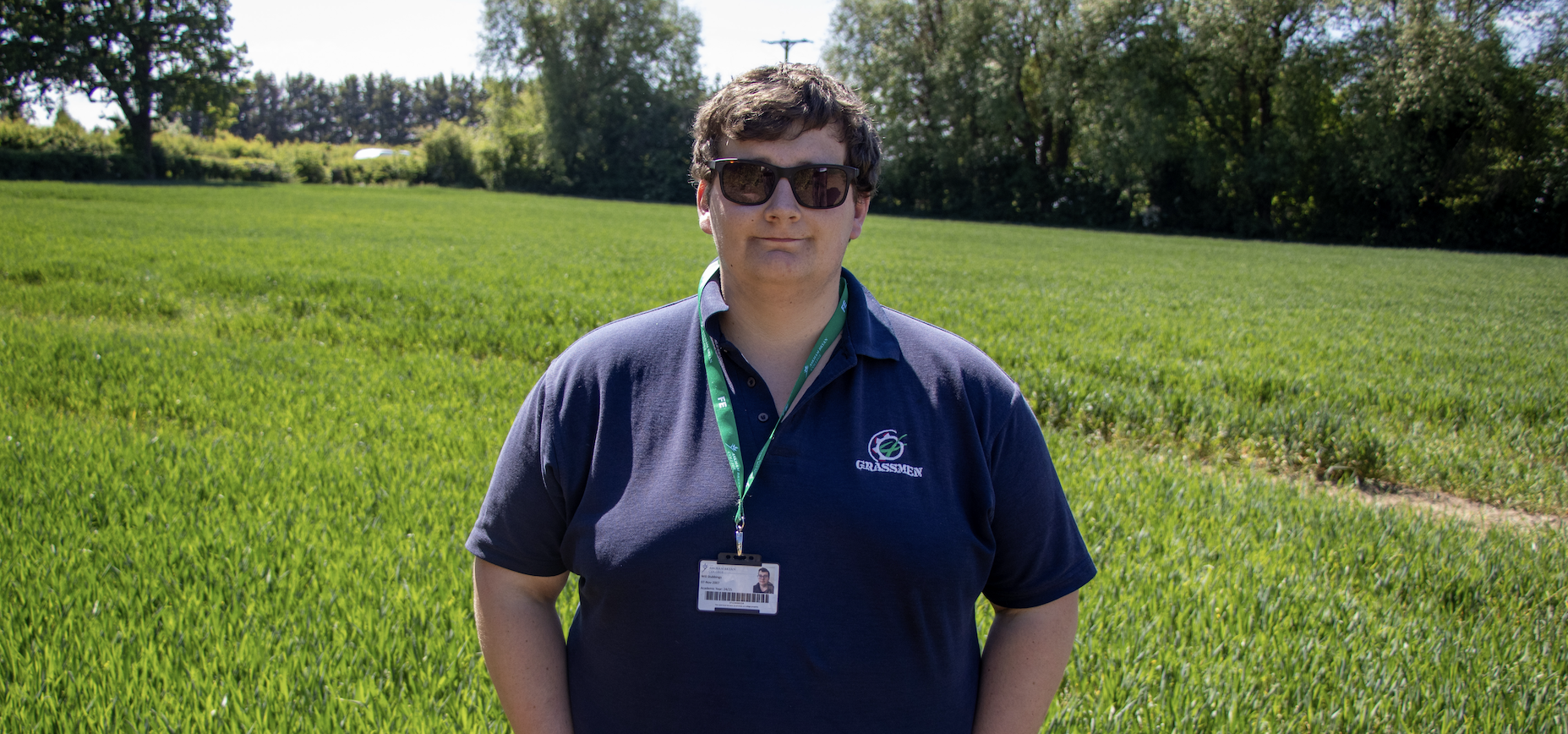
Will, T-level Agriculture (Crop)
“My highlight of the course would definitely be the opportunity to be able to go to Tilage Live and being able to learn how to drive tractors. The course is also helping me to achieve my goals of going onto the higher education course.”
FAQs
-
Do I need to be from a farming background to take an agriculture farming course?
No — students can join us with no prior farming experience. While some work experience before starting the course is helpful, it isn’t essential. Our tutors will teach you everything you need to know, and you’ll quickly build your confidence through practical sessions, hands-on farm work and weekly placements. If you’re motivated, enthusiastic and willing to learn, you’ll be well-suited to studying agriculture at Askham Bryan College.
-
What is a typical week like? How much time is practical? How much is theory?
Our Level 2 courses are 3 days and our Level 3 courses tend to be 3 or 4 days in college plus work placement.
The first year of study is a roughly 50:50 split of theory:practical work, while second year is roughly 70:30 theory:practical. We mix it up so you’re not in the classroom all day!
-
Where have past agricultural course students ended up? What jobs could I do?
About a third of our Level 3 students go on to university, a third go straight into the work place and a third go onto Apprenticeships or travel/work abroad in agriculture. Jobs that previous students have gone on to include:
- Stockperson and Herdsperson
- Arable Operators/Contracting Services
- Farm and Estate Management
- Agricultural Sales
-
How many hours of work experience do I need to do? How do I find a work placement? Do you find it for me?
Students are required to complete 150 hours per year of work experience, and you are usually expected to find their own placement. If you’re having difficulties, don’t worry – our staff will be able to help and point you in the right direction and our Work Placement Coordinators are on hand to help too.
-
What grades do I need?
For Level 2 courses you will need four GCSEs at grade 3 (D) or above, to include two from English, Maths and Science, with at least a grade 2 (E) in the remaining subject.
For Level 3 courses you will need four GCSEs at grade 4 (C) or above, to include two from English, Maths and Science, with at least a grade 3 (D) in the remaining subject.
-
Are there any exams for agricultural farming courses?
All level 3 courses have a mix of exams, coursework and practical assessments
-
How many UCAS points would I get doing an agriculture farming course?
A full T Level (2 years)…
Distinction*: 168 UCAS points, equivalent to 3 A-level grades at A*.
Distinction: 144 UCAS points , equivalent to 3 A-levels at grade A.
Merit: 120 UCAS points, equivalent to 3 A-Levels at grade B.
Pass (C or above on the core): 96 UCAS points, equivalent to 3 A-Levels at grade C
Pass (D or E on the core): 72 UCAS points, equivalent to 3 A-Levels at grade D.
-
What size are the classes?
The maximum number in a classroom is about 25 and the maximum for practical sessions is around 12. Some courses will have core subjects where students from different cohorts will be combined, so those groups will be larger, but most of our classrooms cannot seat more than 30 students. The specialised subjects will have smaller groups.
-
Is there a uniform? Is PPE provided?
There’s no uniform – most people just wear, jeans and jumper/rugby shirt. You will need to have your own overalls and suitable footwear for practicals, but any specialist PPE is provided.